
tinted glass black
Niveau à bulle l’outil essentiel pour un travail précis Dans le domaine de la construction et de l'aménagement, le niveau à bulle, également connu sous le nom de niveau à eau, constitue un instrument fondamental. Que ce soit pour la pose de carrelage, l'installation de meubles ou la mise en œuvre de structures, cet outil permet d'assurer une parfaite horizontalité ou verticalité, éléments essentiels pour garantir la qualité et la durabilité des travaux effectués. Niveau à bulle l’outil essentiel pour un travail précis Le fonctionnement d'un niveau à bulle repose sur le principe de la gravité. À l'intérieur de l'outil, un tube en verre rempli d'un liquide (généralement une couleur pour une meilleure visibilité) et contenant une bulle d'air est positionné. Lorsque le niveau est posé sur une surface, la bulle se déplace et se centre. Lorsque la bulle est située entre les deux lignes marquées sur le tube, cela indique que la surface est parfaitement à niveau. Ce mécanisme simple mais efficace a fait ses preuves depuis des décennies et reste un standard dans le milieu professionnel. alloy spirit level Pour les artisans et les bricoleurs, posséder un niveau à bulle en alliage de haute qualité est un atout considérable. Cela garantit non seulement un travail de meilleure qualité, mais aussi un gain de temps, car les ajustements peuvent être effectués rapidement et avec précision. De plus, de nombreux modèles modernes intègrent des fonctionnalités supplémentaires, comme des laser de niveaux, augmentant ainsi la polyvalence de l’outil. Il est également essentiel de savoir choisir un bon niveau à bulle. Plusieurs critères doivent être pris en compte, comme la longueur du niveau, qui peut varier en fonction de l'application. Un niveau court peut être suffisant pour des petits travaux, tandis qu'un niveau plus long permet de vérifier une plus grande surface à la fois, ce qui est très utile lors de la mise à niveau des murs ou des grandes surfaces. En conclusion, le niveau à bulle en alliage est un instrument indispensable pour toute personne souhaitant réaliser des travaux précis et de qualité. Sa robustesse, associée à sa facilité d'utilisation, en fait un choix privilégié pour les professionnels du bâtiment ainsi que pour les amateurs de bricolage. En investissant dans un niveau à bulle de qualité, chaque utilisateur s'assure de la réussite de ses projets, qu'ils soient petits ou grands, et garantit un résultat parfait. Dans un monde où la précision est primordiale, cet outil fait sans conteste partie des éléments essentiels de l'arsenal de tout artisan.
about
tinted glass black
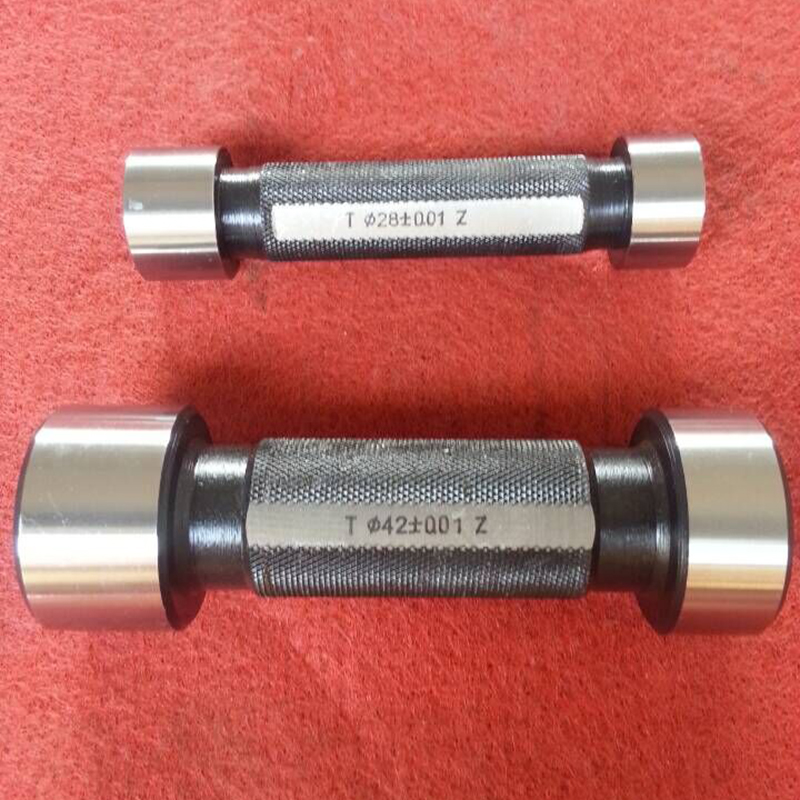
Understanding Gauge Pin Classes A Comprehensive Overview Gauge pins play an essential role in the field of manufacturing and quality control. They are precision tools used to check the size, form, and location of holes in a workpiece. The accuracy of these measurements is critical in ensuring that components fit together correctly in assembly processes. One important aspect of gauge pins is their classification, which is often referred to as gauge pin class. In this article, we will explore the various classes of gauge pins, their applications, and the significance of their precise dimensions in industrial processes. What are Gauge Pins? Gauge pins are cylindrical rods made of high-quality steel or carbide, designed to fit smoothly into predetermined holes. Their primary function is to serve as a go/no-go gauge, providing a quick and reliable method for measuring the specifications of holes. By inserting a gauge pin into a hole, operators can immediately determine whether the hole meets the specified tolerances. If the pin fits perfectly, the hole is considered to be within specification (go). Conversely, if the pin does not fit, it indicates an out-of-tolerance condition (no-go). Classification of Gauge Pins Gauge pins are classified into different classes based on their manufacturing tolerances and intended applications. The classification typically includes 1. Go Pins These pins are designed to fit into the hole. They represent the maximum material condition of the hole, meaning it is the largest size that is acceptable. If a go pin fits, the hole is within acceptable tolerances. 2. No-Go Pins These pins are intended to not fit into the hole. They represent the minimum material condition. If a no-go pin fits, the hole is deemed too large and out of tolerance. 3. Intermediate Pins These pins have dimensions between the go and no-go pins. They can be used for finer tolerances and more strict measurements when required. Tolerance and Precision in Gauge Pin Classes The accuracy of gauge pins is defined by their tolerance classes, often specified according to the ISO or ANSI standards. These standards outline the acceptable limits of deviation for each class of gauge pin. For example gauge pin class - Class 0 This class represents the highest tolerance, suitable for applications where precision is critical. It allows for minimal deviation and is often used in aerospace and automotive industries where safety is paramount. - Class 1 This class offers a slightly broader tolerance than Class 0 but is still suitable for precision engineering applications. - Class 2 and Class 3 These classes are used for less critical applications where some degree of deviation can be tolerated. They are commonly used in general manufacturing processes. Applications of Gauge Pin Classes The precise measurement capability of gauge pins makes them invaluable in a variety of industries, such as - Automotive Ensuring that the components fit together correctly, which is essential for safety and performance. - Aerospace High-stakes environments demand impeccable dimensions; gauge pins are critical in ensuring that components meet strict safety regulations. - Manufacturing Used in the inspection of machined parts to guarantee they meet specific tolerances. - Medical Equipment Precision is vital in the manufacturing of medical devices; gauge pins help in maintaining stringent quality control. Conclusion Understanding the different classes of gauge pins is crucial for professionals in manufacturing, quality control, and engineering. Each class serves a unique purpose, catering to various levels of precision and application requirements. The importance of using the correct gauge pin cannot be overstated, as it directly impacts the quality and reliability of the final product. Proper selection and application of gauge pins contribute to efficiency in production processes and, ultimately, customer satisfaction. Whether in the automotive sector, aerospace, or general manufacturing, gauge pins remain a cornerstone of quality assurance.
-

High quality industrial productsagement

High quality industrial products
View Details -

Meet the diverse needs of customers

Meet the diverse needs of customers
View Details -

Strict quality control

Strict quality control
View Details -

Top raw materials

Top raw materials
View Details -

Trusted supplier

Trusted supplier
View Details
Our application

news and information

Using a Level to Align a Marking Ruler for Precision Measurements
marking ruler with spirit level .

Versatile 5x10 Foot Welding Table for Efficient Metalworking Projects and Fabrication
The Importance of a 5x10% Welding Table in Modern Metal Fabrication Welding is an essential process
Vanne à papillon DN100 - Solutions de contrôle de fluides de haute qualité
La vanne à soupape DN100 Une solution essentielle pour la gestion des fluides Dans le domaine de l'i
 English